Reverse logistics decides whether a return costs you a customer. Find out how the return process works, what returns really cost and how to reduce them.
In this article10Show contents
Returns are part of online retail. For many retailers and logistics providers, they are also one of the biggest hidden costs in the business. Every parcel that comes back has to be transported, received, inspected, booked and, ideally, sold again. Reverse logistics is the process that manages this flow of goods from the customer back to the company.
Done well, reverse logistics does more than limit costs. A return is also one of the few moments when a dissatisfied customer is in direct contact with you, and how that contact is handled often decides whether they buy again.
For a market as return-heavy as Germany, getting this right is not optional.
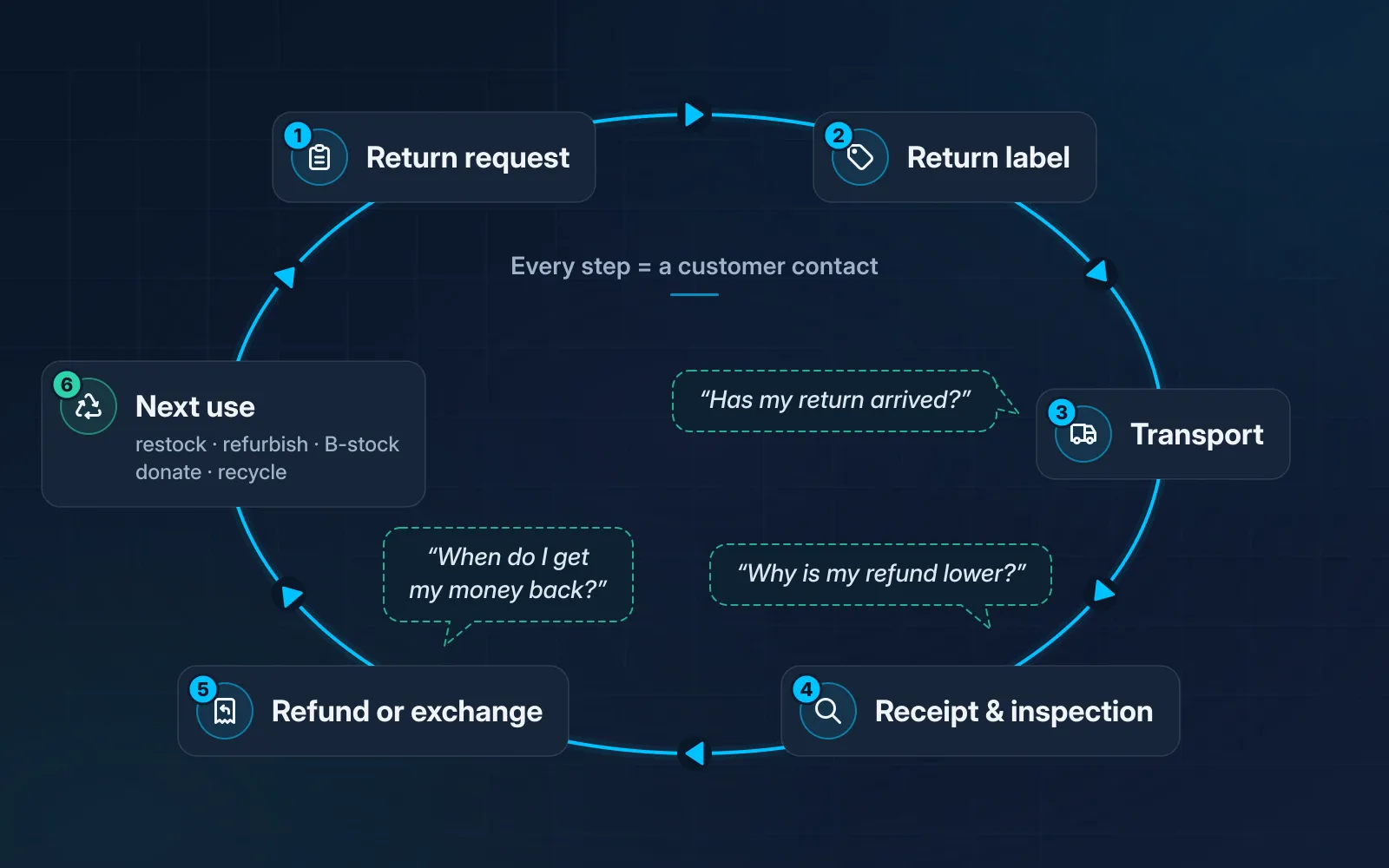
The Return Process Step by Step
The return process usually follows the same steps, whether a retailer handles it in-house or works with a logistics partner:
- Return request: The customer registers the return online, by email or by phone and states the reason.
- Return label: The customer receives a label and instructions, either printed or as a QR code.
- Transport: The parcel travels back to the warehouse or a dedicated returns center.
- Receipt and inspection: The goods are checked for completeness, damage and resale condition.
- Refund or exchange: The customer receives their money back, a voucher or a replacement product.
- Next use: The item is restocked, refurbished, sold as B-stock, donated or recycled.
At almost every step, the customer has questions. Has my return arrived? When will I get my money back? Why is the refund lower than expected? Clear communication at each stage keeps these questions from turning into complaints. And the faster a return is received and checked, the sooner the item is back in stock and the customer receives their refund.
Return Rate: Why Germany Leads Europe in Returns
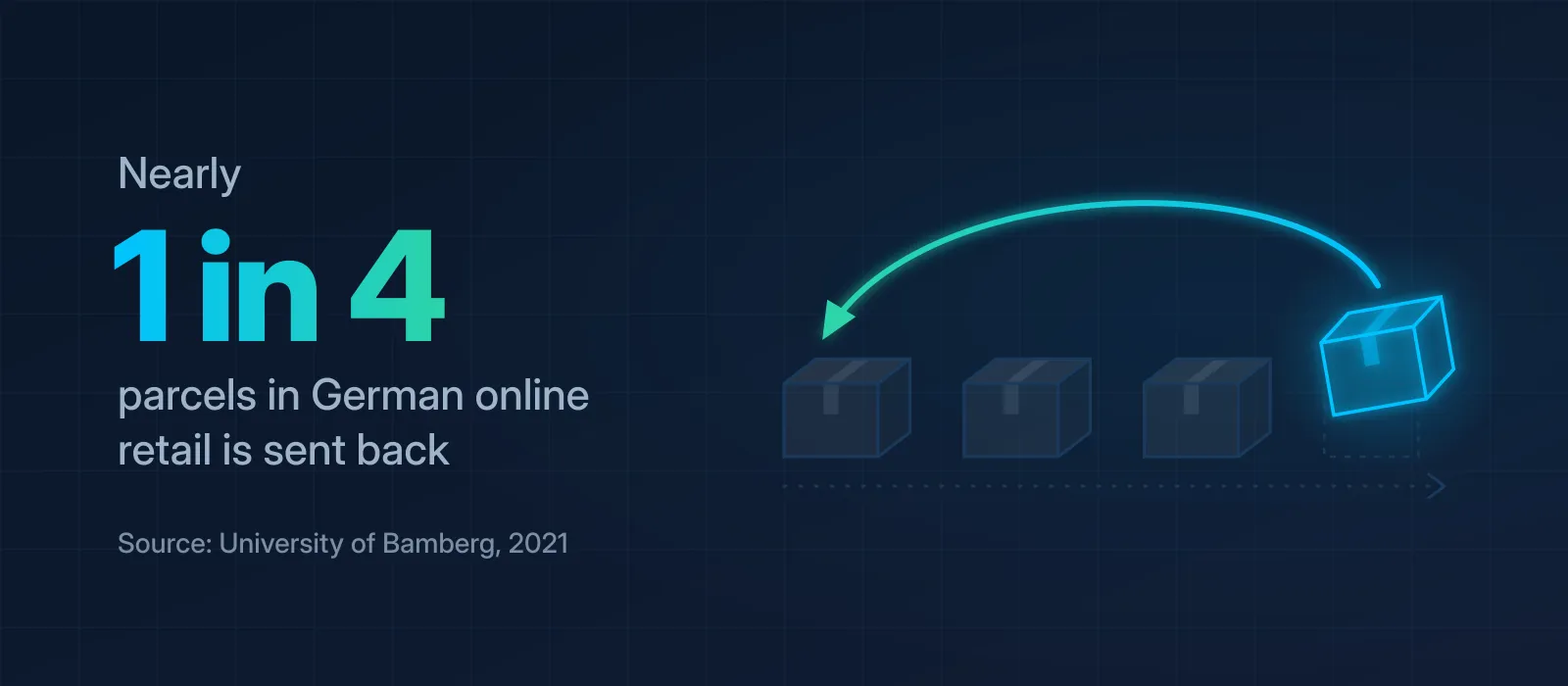
Germany is often called Europe’s returns champion. The returns research group at the University of Bamberg, which has studied returns in German e-commerce for years, found in its first European retailer survey that nearly one in four parcels (24.1%) in German online retail is sent back, more than in any other European country. Fashion accounts for over 80% of returned parcels, and according to the researchers the rate has stayed at this level since. (Source: University of Bamberg – Returns research group)
There are several reasons for this high return rate. Free returns are standard in many online shops. Buying on invoice is popular, so customers often pay only after they have tried the product. And ordering several sizes or colours to keep just one is common practice.
For retailers, a high return rate is not only a logistics problem. It is also a signal: product information may be unclear, sizes may be inconsistent, or customers may lack advice before they buy. Many of these causes show up first in customer service, which makes support data one of the best sources for reducing returns. A lower return rate is therefore rarely the result of a single measure, but of better information at every stage of the purchase.
The Hidden Cost of Returns
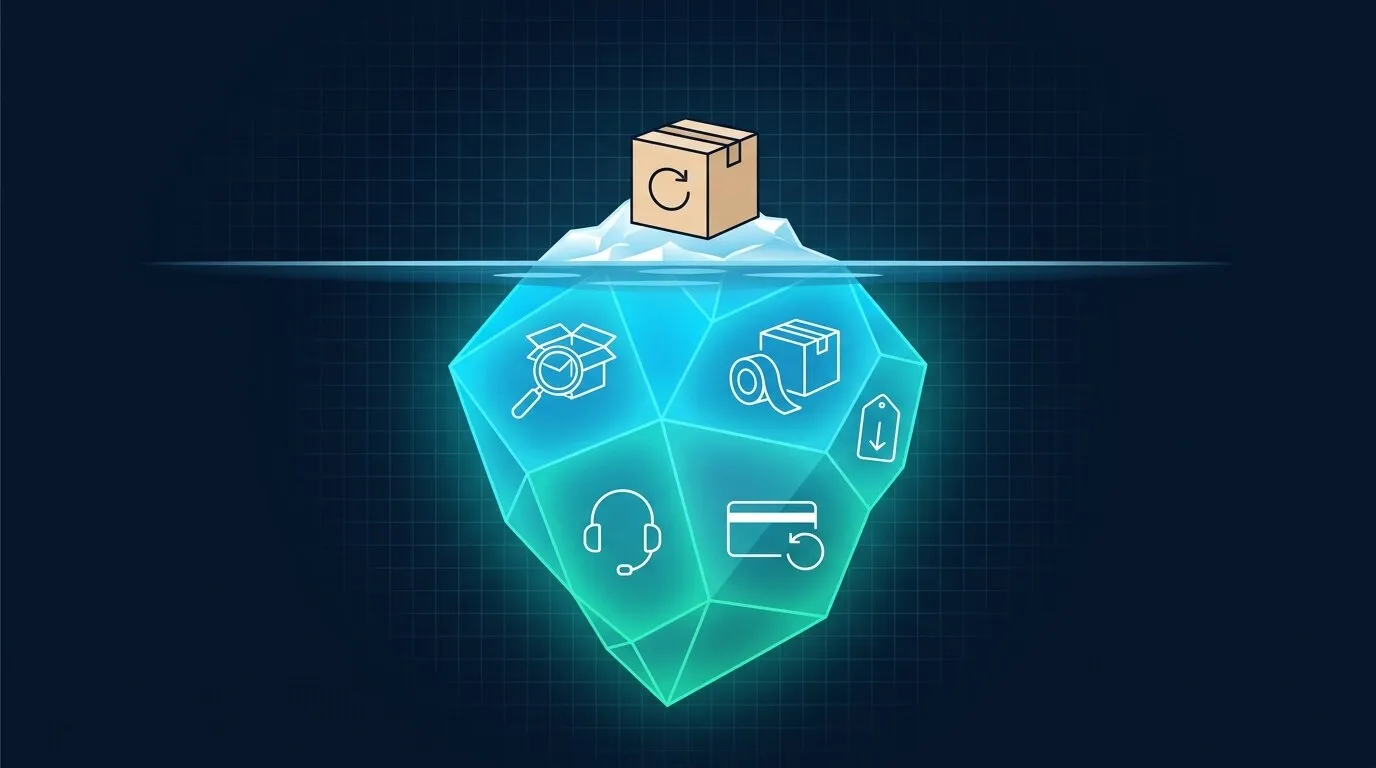
The cost of returns is often underestimated because it is spread across several departments. A single return creates costs for:
- Return shipping and handling
- Inspection, cleaning and repackaging
- Loss of value when items can no longer be sold as new
- Customer service time for questions, status updates and complaints
- Payment processing for refunds
Measuring these costs by return reason shows which products and categories cause the most effort, and where prevention pays off first.
According to the University of Bamberg, transport and handling alone cost around €7 per return parcel on average (€2.85 per returned item), and that does not yet include the loss of value of the returned goods. (Source: University of Bamberg – Deutschland ist Retouren-Europameister)
There is also a cost that rarely appears in any calculation: unanswered questions. A customer who cannot find out whether their return has arrived will contact you again, often through several channels. Every repeat contact costs time, and every delay reduces the chance that this customer orders again.
How to Manage Returns in a Marketplace
Selling on marketplaces such as Amazon, Zalando or Otto adds another layer to returns. Each marketplace sets its own rules for return periods, refund timelines and seller communication, and sellers are measured on how well they meet them. Late replies or unresolved return cases can affect seller ratings and, in the worst case, visibility on the platform.
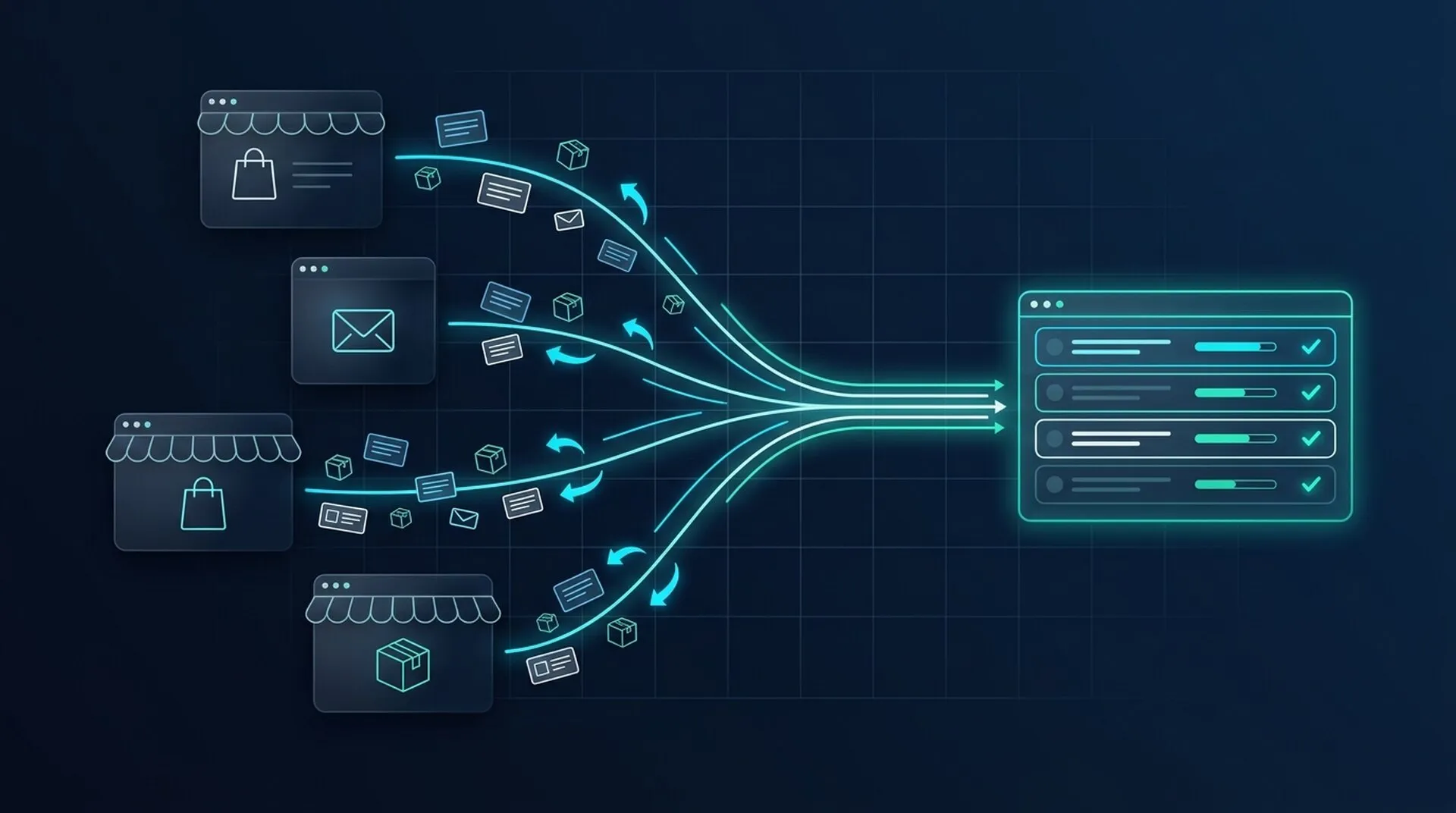
How to manage returns in a marketplace comes down to three things:
- Know the rules: Document the return policy of every marketplace you sell on and make sure your team works with the current version.
- Respond fast: Marketplace messages often have fixed response deadlines. A dedicated team keeps an eye on every inbox, including weekends where required.
- Keep track of the status: Customers expect to know when their return has been received and refunded. Connecting marketplace messages with your warehouse data avoids contradictory answers.
For sellers active on several marketplaces and in several countries, this quickly becomes a multilingual task that needs consistent processes across all channels. Many sellers also underestimate how much time marketplace returns take, because messages arrive through separate inboxes and every platform works a little differently.
Reduce Returns: 3 Approaches That Work
Not every return can be avoided, and some returns are simply part of a good shopping experience. But many are preventable. These three approaches help reduce returns the most:
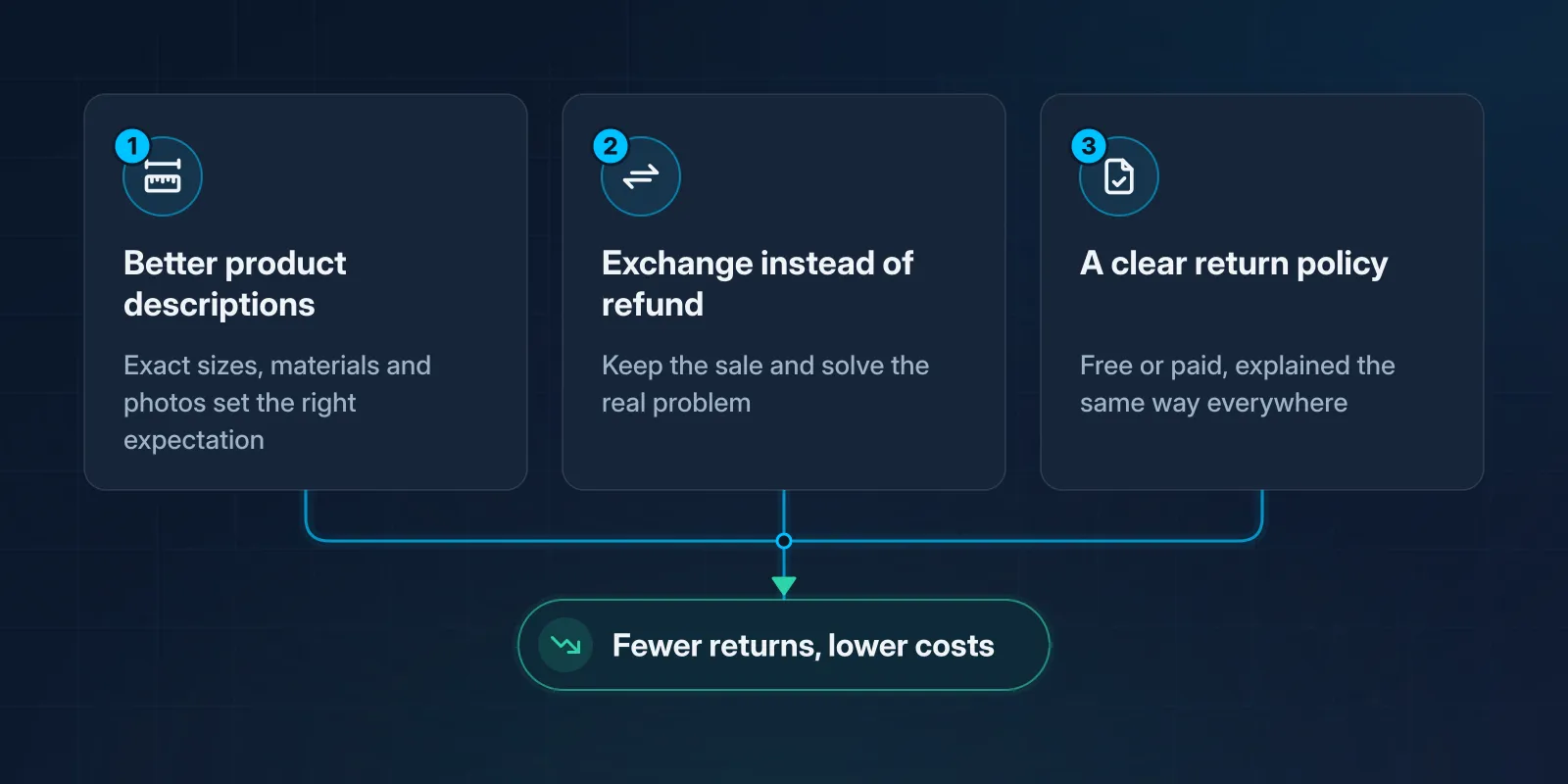
Better Product Descriptions Before the Purchase
A large share of returns happens because the product did not match expectations. A clear product description with exact measurements, materials, compatibility information and realistic photos is the first line of defence.
Customer service plays a role here too. Questions asked before the purchase, about sizes, fit or technical details, show exactly where information is missing. Answering them quickly prevents wrong orders, and passing recurring questions on to the product or content team improves the product description for every customer who comes after. Reviews and questions from other customers on the product page also help to set realistic expectations.
Exchange Instead of Refund
When a customer wants to return a product, the sale is not necessarily lost. Offering an exchange instead of a refund, for example a different size, colour or model, keeps the revenue and often solves the customer’s actual problem.
This works best when customer service actively suggests the alternative instead of simply processing the return. Agents who know the product range can recommend a better fit, check availability and arrange the exchange in a single contact. For the customer, it feels like help rather than a sales pitch.
Return Policy: Free or Paid Returns?
Free returns have long been the norm in German e-commerce. That is changing: more and more retailers, especially in fashion, now charge a fee for returns or offer free returns only to members of their loyalty programmes.
A paid return policy can lower return rates and costs, but it also changes what customers expect. Someone who pays for a return expects fast processing and clear communication. Whatever the policy, it should be easy to find, clearly worded and explained the same way on every channel, so it does not become a source of complaints itself. Some retailers combine both models, for example free exchanges and paid returns, to give customers an incentive to choose the exchange.
AI Customer Service: What Chatbots Can and Can’t Do for Returns
AI customer service tools have become a standard part of many returns processes. Chatbots can answer simple questions around the clock: they share return deadlines, generate labels and show the current status of a return.
They reach their limits in cases that need judgment. A damaged item, a disputed refund, a customer who has already contacted you three times or a request that does not fit the standard process all need a person who can understand the situation and decide.
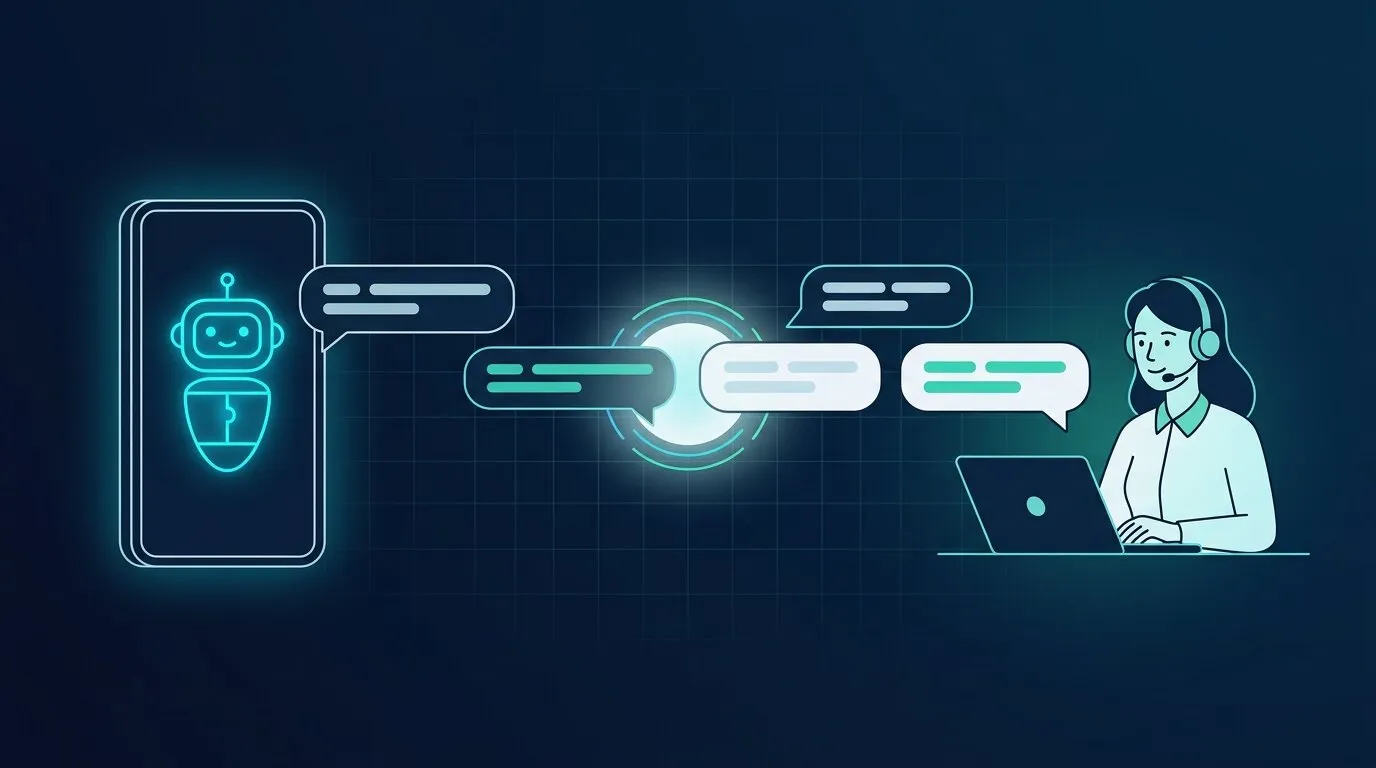
The most effective setup combines both. Automation handles routine requests, while trained agents take over exceptions, complaints and emotional conversations. Clear handover rules make sure the customer does not have to repeat everything when moving from the chatbot to a person. It is also important that the chatbot only shares information that matches the data in the warehouse. For retailers and logistics providers, this means lower costs for simple requests without losing the human contact that keeps customers loyal.
ESPR: What the EU Ban on Destroying Unsold Goods Means for Returns
Destroying returned or unsold goods has long been a cheap way to clear warehouse space. The EU is putting an end to this. Under the Ecodesign for Sustainable Products Regulation (ESPR), large companies have not been allowed to destroy unsold clothing, clothing accessories and footwear since July 2026, and medium-sized companies will follow later. (Source: European Commission – New EU rules to stop the destruction of unsold clothes and shoes)
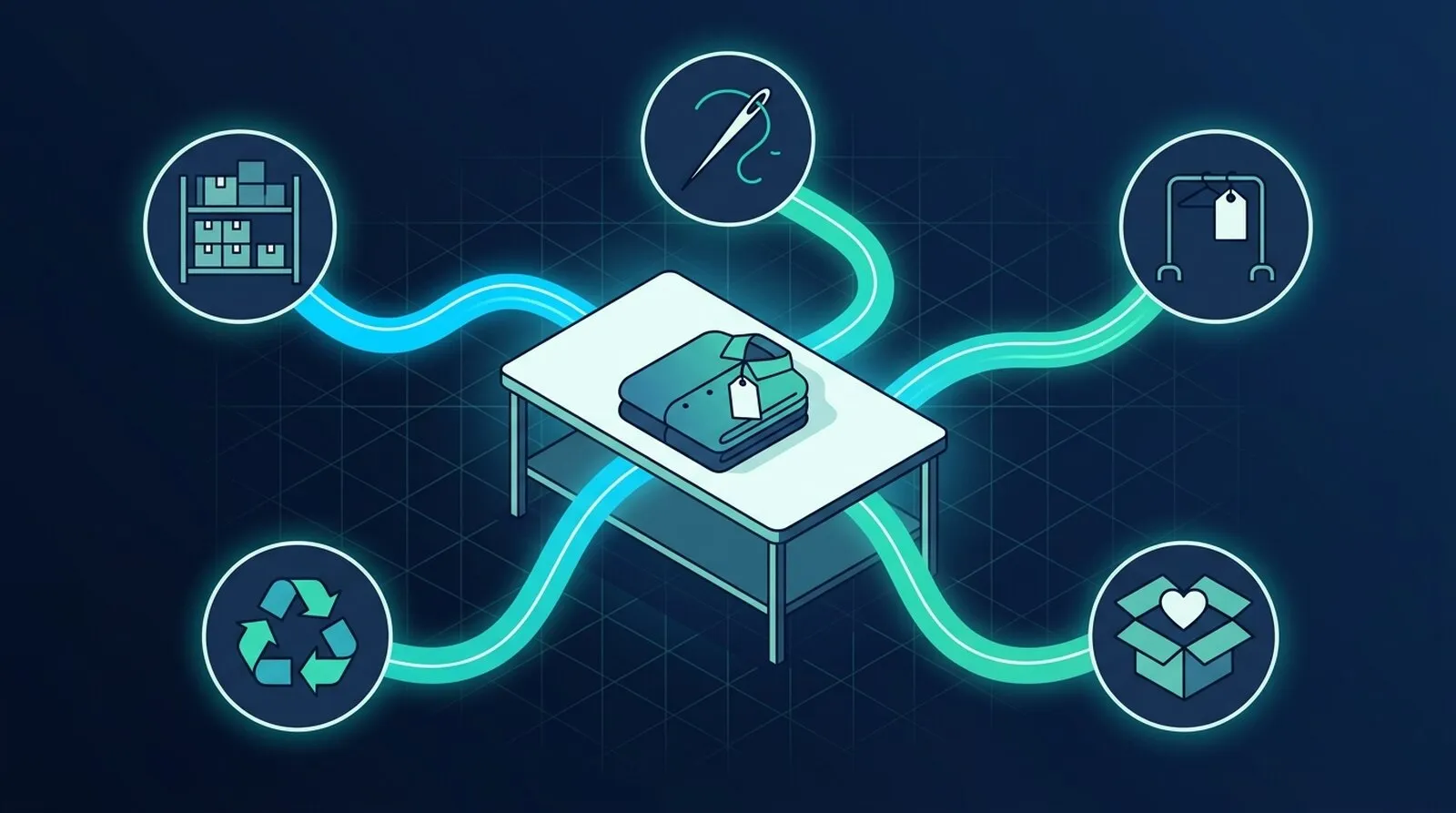
For returns, this means more inspection, refurbishment, resale and donation, and more processes and documentation to manage. Items that used to be written off now need a next step. Efficient returns handling has therefore become not only a question of cost, but also of compliance. Retailers can prepare by grading returned items more systematically, building B-stock and resale channels and working with donation partners for goods that cannot be sold.
Return Service: A Second Chance With the Customer
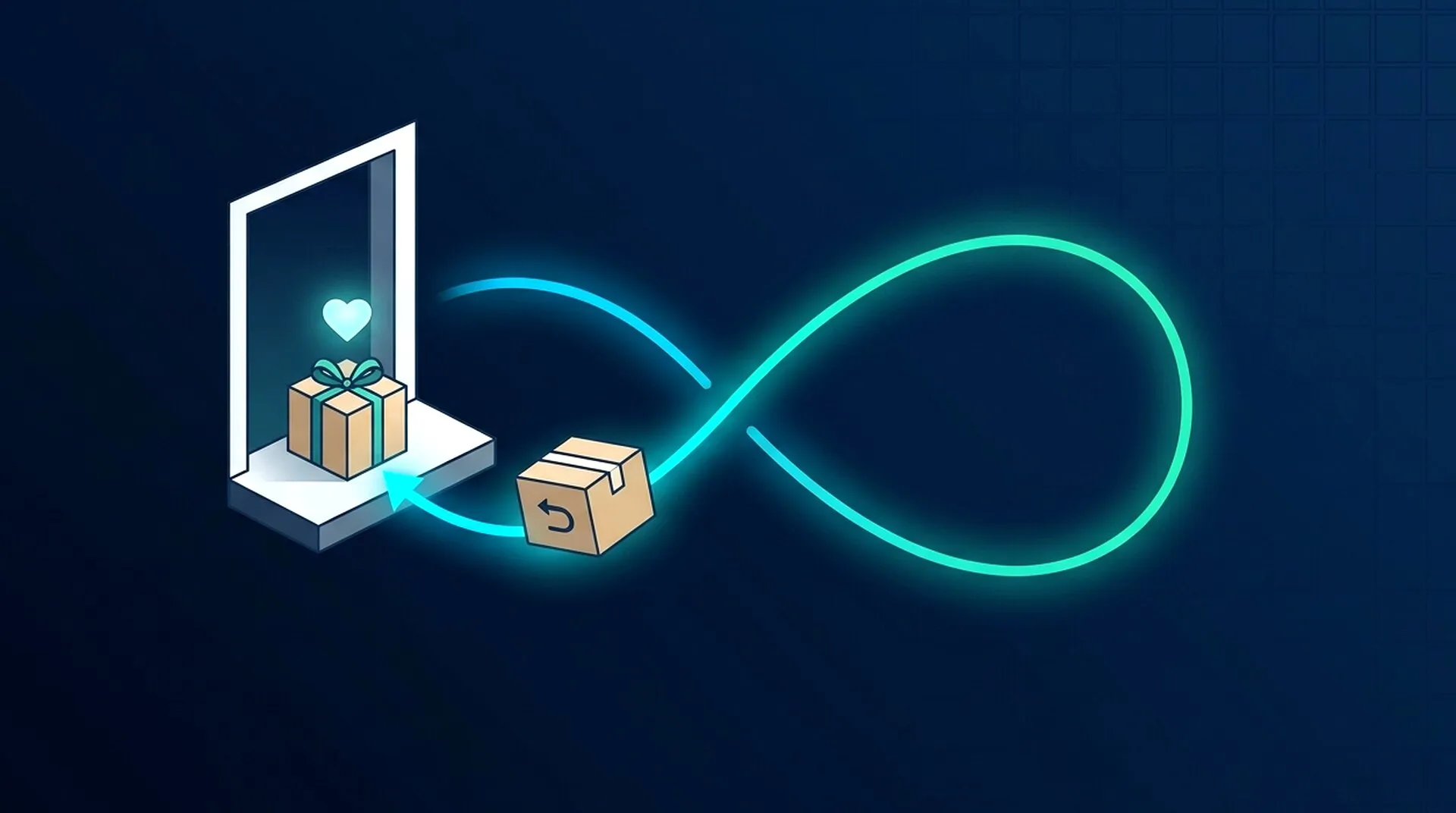
A return is often treated as the end of a customer relationship. In reality, it is a second chance. A customer who sends something back is still in contact with you, and the way the return is handled often decides whether they order again.
A good return service has a few clear characteristics:
- Fast answers: Questions about the return status are answered within hours, not days.
- Transparent status: Customers know when their parcel has arrived and when they will receive their refund.
- Friendly tone: Even when a return is rejected or only partly refunded, the explanation is clear and respectful.
- One contact, one solution: Exchanges, refunds and complaints are resolved without the customer having to repeat themselves.
- Same language: International customers get answers in their own language, not a translated template.
For many online retailers and logistics providers, this is where in-house capacity runs out. Return volumes fluctuate, customers write in different languages, and the same team is often also responsible for orders and deliveries.
Outsourcing the communication and processing of returns makes sense when response times start to slip, when international customers need support in their own language, or when your operations team spends more time answering emails than handling goods. In that case, an external team for logistics customer service can take over return requests, status updates, complaints and data entry, working directly in your systems.
FAQ: Common Questions About Returns
What is reverse logistics?
Reverse logistics covers all processes that move goods from the customer back to the retailer or manufacturer, including returns, inspection, refurbishment, resale and recycling. In e-commerce, the term mostly refers to the handling of customer returns.
Who pays for return shipping?
In the EU, the customer pays for return shipping if the retailer clearly informed them about this before the purchase. Many retailers still cover return shipping costs themselves as a service to their customers.
How long is the right of withdrawal in the EU?
For online purchases in the EU, consumers have a right of withdrawal of 14 days from the day they receive the goods. During this period, they can cancel the purchase without giving a reason. Many retailers voluntarily offer longer return periods.
What is a return label?
A return label is the shipping label a customer attaches to the parcel when sending an item back. Retailers usually provide it in the original package, as a PDF to print or as a QR code that can be scanned at a parcel shop.
The Bottom Line: A Clear Reverse Logistics Process Pays Off
Returns cannot be avoided, but they can be managed. A clear reverse logistics process reduces costs, protects margins and keeps customers coming back.
The key lies in two areas: the operational flow of goods, from return request to restocking, and the communication that accompanies every step. Retailers and logistics providers that treat returns as part of the customer experience, rather than an unavoidable cost, turn a frustrating moment into a reason to trust them again.
If your team is reaching its limits with return requests, our logistics page shows how we can help.
Worth a read? Pass it on.